| |
| Thursday, 28 May 2026 |
| NEWSLETTERS |
 |
We regularly issue Newsletters for members. All Newsletters can be viewed in our archive. To view the latest and earlier editions click here If you are visiting our website and not receiving our newsletters by email you can subscribe for future editions click here |
|
| Sunday, 24 November 2024 |
| Responses to our visit to Theatre Royal Norwich to see the Northern Ballet’s performance of Christmas Carol. |
 |
Responses to our visit to Theatre Royal Norwich to see the Northern Ballet’s performance of Christmas Carol. “Just a quick email to thank you so very much for organising such a wonderful evening for us all last evening.
What we watched has to be one of the most imaginative and superbly choreographed ballets I been fortunate to see. It really was outstanding!
A truly magical evening 👏👏👏.” “What a wonderful evening last night. Thank you so much for organising it so beautifully. It was certainly the first time we were given a £20 note during an AS outing by the Chairman and all thanks to your efforts!
We absolutely loved the ballet and our seats were wonderful. I don’t think I will ever forget Scrooge in his long johns dancing as he got dressed, the way he danced into his shoes let alone everything else was brilliant. It was an evening that lifted the soul for sure!” “What a wonderful evening. Everyone had such a good time. The perfect way to spend an evening at the Theatre Royal. No worrying about car parking and driving. Thanks so much for organising it.” “What a lovely evening last night. I couldn’t have enjoyed it more. The performance was outstanding and such a joy to be picked up in a nice warm bus and driven to Norwich whilst feasting on treats and drinks. Thank you for all your organization.” “We just want to thank you all for arranging a wonderful evening with Scrooge last night. It will have taken you lots of time and organisation and all the little extra details you do to make it fun. These make these evenings extra special for all of us lucky enough to go with you.
It is such bliss being driven from door to door and in much welcome warmth. You are so kind providing drink and nibbles and it gives you a lot to carry on to the bus.
It was a wonderful production and the scenery and lighting very atmospheric. It was a mixture of spooky and good fun not forgetting the dancing and the acting. Scrooge must have been relieved to be able to do some dancing towards the end!
Thank you again so much for all you did to give us all such a happy evening.” |
|
| Thursday, 31 October 2024 |
| ON YOUR DOORSTEP - Visit to the Sainsbury Centre |
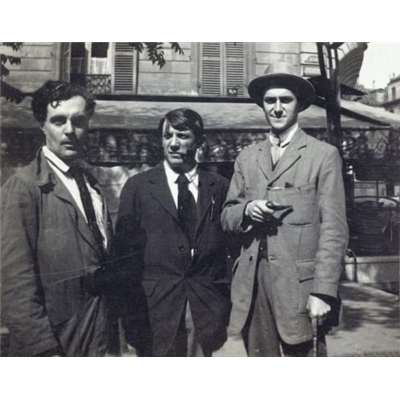 |
Another enjoyable On Your Doorstep Tour took place on October 02 when ten members met at The Sainsbury Centre to be shown a selection of works from the Permanent Collection by volunteer guide, Polly Gould.
It was a special opportunity to focus on a number of paintings & sculptures researched by Polly who entitled her tour ‘ Salut les Copains! The avante-garde artists of Monmartre & Montparnasse’.
Many of the art works in the Sainsbury Centre are by 20th century artists who lived in Paris & one of the advantages of being in a small group is that we were able to look at paintings & sculptures by Picasso, Modigliani , Zadkine & others, discuss them & listen to Polly’s anecdotes & receive information about their personal lives at this time in Paris. Her passion for the subject is infectious & makes this hour long tour personal.
After the tour we all appreciated the opportunity to wander through the gallery to revisit some of the exhibits & explore others at our leisure before a delicious lunch in The Modern Life Cafe. Thanks go to Sally Collier for organising this event. |
|
| Wednesday, 10 July 2024 |
| St. Mary's Houghton on the Hill |
 |
Our latest 'On your Doorstep' was to St. Mary's Houghton on the Hill. A select group of members visited this lovely medieval church to view some of the best preserved religious paintings in the country. This church is hidden away, but is well worth a visit to see these superb images. To get a better look, go to our gallery page click here and double click the images - this will give you a detailed look. |
|
| Friday, 03 March 2023 |
| Visitor's response to John Sherlock's lecture on Industrialism and Revival |
 |
FEEDBACK FROM A VISITOR INDUSTRIALISATION AND REVIVAL 13th February 2023 John Sherlock I enjoyed much of John Sherlock's lecture. The photographs were beautiful and well-chosen to mark the different architectural periods. His delivery was clear, leavened with humour, and he knows his stuff! I was a little disappointed, however, that the description of the timeline took up rather more of the lecture than I had expected. I had thought the impact of the industrial revolution on domestic, factory, rural and city development might have figured more strongly. The focus was wholly on the large-scale architecture of the powerful and the religious- fascinating, of course, but how terrible tenements and slums were improved by some- too few- paternalistic industrial magnates into cottages and terraces for the workers, villas for the middle classes and spacious country houses for the owners particularly in the North of the country, by railway stations and on some country estates was what I had been hoping to hear about. That is clearly not his area of expertise and maybe I misunderstood the focus, but there are many gothic elements in Victorian domestic architecture. Miss Havisham's fictional house in Great Expectations and the whole tradition of the haunted house with its gothic horrors spring to mind as well as the hierarchical architecture of the steel towns. I lived in Hunshelf Park, Stocksbridge. One row was called Bachelor Row, for single men, the next Family Row and the third Gentlemen's Row. Each had its own architectural adjustments according to status and reflecting the architectural traditions. Well, that would have been another lecture and I probably misunderstood the intention behind what was a clear and useful spin through the ages. |
|
| Tuesday, 29 March 2022 |
| DON’T LEAVE HOME WITHOUT …… |
 |
An essential go-to item the acclaimed British landscape photographer Charlie Waite reaches for when photographing outdoors is a five-step kitchen ladder. Standing on this at different heights and aiming his Hasselblad analogue camera at the view ‘helps organise the landscape more to my liking’, Charlie explains. As does holding up a small black piece of cardboard with a rectangle shape cut out to peer at a view. Or making a square or rectangle shape with his two hands for the same purpose. Charlie, now 73, came to photography via British theatre and television some 40 years ago. He has lectured on landscape photography in venues across the world (and can now add The Arts Society North West Norfolk to his list! ). Charlie did not disappoint with the March lecture ‘Influences in Photography”. He gave a personal, informative and highly accessible account on what it takes to become a successful landscape photographer. This he illustrated with his own landscape images - distilled perfections of light, colour and composition - taken on his many travels abroad with his trusted Hasselblad. Whether some of these images are more figurative than others, they all emanate a quality of calm and tranquillity and drew repeated ‘oohs and aahs’ from appreciative society members. Charlie didn’t show us these images for our plaudits so much as to illustrate the challenges, pitfalls and skills required to produce a perfect landscape. More than once he pointed out to us a fluffy white cloud, shrub, shadow or whatever was ‘ruining’ the symmetry of an image. Who knew? He is committed to getting things right, to meticulous planning BEFORE the shutter is pressed. Not for him all the creative effects of photoshop magically transforming images AFTER. From his occasional wry remarks, you gain the impression that after a lifetime of working almost exclusively with a Hasselblad camera he is not about to go digital (camera wise) anytime soon. His meticulous attention to detail, he explains, can be traced back to the influence of French black and white photographer Henri Cartier Bresson. He was the early 20th century pioneer of capturing the ‘decisive moment’ - the very essence of what was happening at the moment the shutter was pressed. He also admires the black and white landscape images of US photographer, Ansel Adams. from a slightly later period.
Invariably, patience is crucial to his style of working and if he can’t find equally patient travel companions prefers to travel alone. ‘If you’ve got someone with you complaining then don’t go with them,’ is his advice. His preferred travel companion, and trusted ladder carrier, was his mother. His talk ended all too soon, but his sublime landscapes will remain with us much longer. Lynn George
|
|
| Tuesday, 15 February 2022 |
| Is photography art? |
 |
Many art museums and galleries now show photographic exhibitions listed as photographic artworks. But it is less than a hundred years that photography has become part of our everyday lives in many widespread and diverse ways. It has played a significant role in the modern and contemporary art movements, Futurism, Pop Art and other schools of art. As photography became more widespread, becoming an art form, it developed a changing role in other art forms such as drawing and painting. Most commercial art forms had historically been dominated by drawing and illustration. Nowadays you do not even have to own a camera. Almost every mobile has one and we are constantly bombarded with images on our computers, magazines, advertising etc. Photographs can accurately depict a person, capture a moment in time, record a document, a story. Their uses are many, including social, creative and technical. What one person gets out of a photographic image may be completely different to the next. It took time for photography to gain recognition as a genuine art form but often a photograph is not taken with a view to it being a work of art. Indeed, the photographer may not have any artistic intention or expression. The recognized Photographic artists are well known and famous – Ansel Adams, Man Ray, Irving Penn, Dorothea Lang, Jonas Leriche. However, with so many photographic images available now, the question is being asked again. Is it really art? Traditionally there are 7 different forms of art: painting, sculpture, literature, architecture, cinema, music, theatre. Photography is not considered one of the traditionals probably because it is relatively modern. It is identified within the category of ‘visual art’, of which there are 3 traditional types: Decorative, Commercial, Fine art. There are sub-categories in each of these types, e.g., costume or fashion design, printmaking, ceramics, video, film making, architecture etc... Photography is categorized as either Fine Art or Commercial Art within ‘visual art’ and artists such as Annie Lebovitz work in both Fine and Commercial art. To be consider as Photography Art and to become rare and collectible, an image must have been created with a view to being seen as an artwork, an act of creative expression, in line with the artist’s vision and emotion unique to the artist. Not for commercial purposes such adverts, family photos and definitely not the ubiquitous selfies. However, there are hazy lines. Some portraiture is considered Fine Art photography and regularly exhibited at the National Portrait Gallery. The work of some fashion photographers, working in commercial environments, may be considered photography artworks and will fetch fine art prices. Richard Avedon, Helmut Newton. Digital artists, employing the latest techniques and post-production treatments, will still be using all the recognized art elements such as line, form, light, depth etc. Photographic art is becoming increasingly collectable and, in many forms, – originals, one-of-a-kind photography or limited editions. There is a growing market for crypto art collecting and investing. But still it is the view of many that it is Ansel Adams (1902-1984), one of the all-time great landscape photographers, a lifelong advocate for environmental conservations, who makes the case for Photography as art: ‘It is the creative act of the artist-photographer who, in visualising a poetic or revealing image within the scene in front of him, anticipates what the final print must convey to express what he sees and feels’. |
|
| Wednesday, 09 February 2022 |
| 'THE NAUGHTY LADIES OF SHADY LANE' |
 |
The oldest profession in the world or allegories of love? Or to paraphrase, can a Tart be Art? This appears to have preoccupied artists for centuries and in every culture world-wide from France to Japan, Italy to India and England. The answer rather depends on the extent to which the artist sanitizes his muse into near respectability. A courtesan in ancient Greece or mistress to royalty such as Nell Gwynne, as opposed to Toulouse Lautrec’s unashamedly graphic depictions of prostitutes. Many will recall the old Dean Martin song which took its inspiration from ‘The Naughty Lady of Shady Lane' who 'hit the town like a bomb', although she proved to be a complete literary illusion. After toying with lines like ' The back fence gossips ain't been this good since Mabel ran off with Tom' and 'You should see how she carries on with her admirers galore', the songwriter reveals in the last line that it's all mere titillation as ‘she’s only nine days old' ! But I digress into frivolity! so, let us look at some serious definitions: A person, in particular a woman, who engages in sexual activity for payment is defined as a prostitute. In the 1750’s and 1900’s prostitution was the norm in Art. In Paris in particular, artists found modernity and inspiration in these women. For example, Toulouse-Lautrec captured them in his painting Rue des Moulins showing the indignity of forced medical inspections that Parisian prostitutes endured. The provocative and lustful side of these women added to art and revealed new views on the female body and self expression. A courtesan is basically a glorified prostitute and these women played major roles for many artists when it came to exploring the worlds of art. The term courtesan, which originated around 1540, came from the fact that these were women of the court. They weren’t just regular prostitutes but rather high-class ones. Many artists such as Kitagawa Utamaro and Alphonse Mucha used courtesans as the main subject in their work. These women played major roles for many artists when it came to exploring the worlds of art. Courtesans are in fact a particularly large theme in art, probably more so than queens and duchesses. They were not just sexual partners but elegant women those men of society wished to be seen with, and would 'court' with gifts, in the hopes of becoming her patron (or one of two or three patrons, depending on how she plays the game). Many were famous as singers and actresses, but some were known as poets, and in Ancient Greece, some were even reputed to be philosophers. They always had a strong bond with artists, who portrayed them in paintings, novels—and in the opera, for example as in Madame Butterfly. La Traviata is the story of one of Paris’ most famous courtesans of the 1840s, Marie Duplessis, the so-called Lady of the Camellias. So next time you walk through a portrait gallery at those haughty looking women, smile to yourself and wonder if they are exactly what they seem! If this has whetted your appetite for a further mixture of art historical analysis, scandalous anecdotes and illustrated examination of this subject, come and join us at Sedgeford Village Hall on February 14th at 2p.m. for a lecture by Linda Smith, an Arts Society Accredited Lecturer entitled Great Tarts in Art: High Culture and the Oldest Profession. We aim to make our events welcoming places of friendship and welcome for all those who have a curiosity for the arts. Details of membership are on our website www.theartssocietynwnorfolk.org.uk |
|
| Tuesday, 01 February 2022 |
| ‘THAT’S WHAT FRIENDS ARE FOR’. |
 |
Picasso painted “Friendship” in 1908. The sexually of the painting has been widely interpreted but most agree that it was executed with great fluency and confidence. Today the concept of friendship, defined as a relationship between people who are friends, can mean many things. Consider the concept of the “bromance”, a relatively recent term to enter modern parlance. But this new phenomenon of intimate male relationship is nothing new amongst artists, often simply based on collaboration, mentorship and admiration even when rivals. Bro-love could result in greater professional achievement and remove the loneliness that artists often feel. These relationships often spanned many years beginning with fierce bonds of friendships and stood the test of time. Others ended in acrimony. Emile Bernard was 15 years older than Vincent Van Gogh. The Dutchman was a mentor to the young Van Gogh who in turn critiqued Bernard’s painting and poetry. Despite falling out Bernard fiercely advocated for Van Gogh after his death and was responsible for his letters being published. In one of these letters Van Gogh confides in his brother Theo ‘Like everyone else, I have need of relationships of friendship or affection or trusting companionship, and am not like a street pump or lamp-post, whether of stone or iron ….’. Sadly, not to be. Francis Bacon and Lucian Freud were professional rivals as well as friends. The two men were separated by a 13-year age difference but reportedly saw each other every day for some 25 years. Bacon’s portrait Three Studies of Lucian Freud (1969) was credited with illustrating the bond between the two artists. In 2013 it sold for $142.4 million but regrettably their friendship did not endure to the last. Apparently neither liked each other’s later work. The friendship between Andy Warhol and Jean-Michel resulted in collaboration on paintings such as Untitled (1984-1985). In the painting you can see the cartoonish brilliance of Basquiat alongside a recollection of Warhol’s silkscreen skulls (1976). For Basquiat the relationship with Warhol helped to make him a big name and importantly to cope with life as a celebrity artist. Basquiat, an artist with an abundance of youthful energy and one who had grown up idolising Warhol, would have energized and revitalised Warhol’s image as an artworld rebel. Jean- Michel gave Andy a rebellious image again. |
|
| Thursday, 15 July 2021 |
| Member's response to Patricia Andrew's lecture on Eric Ravilious |
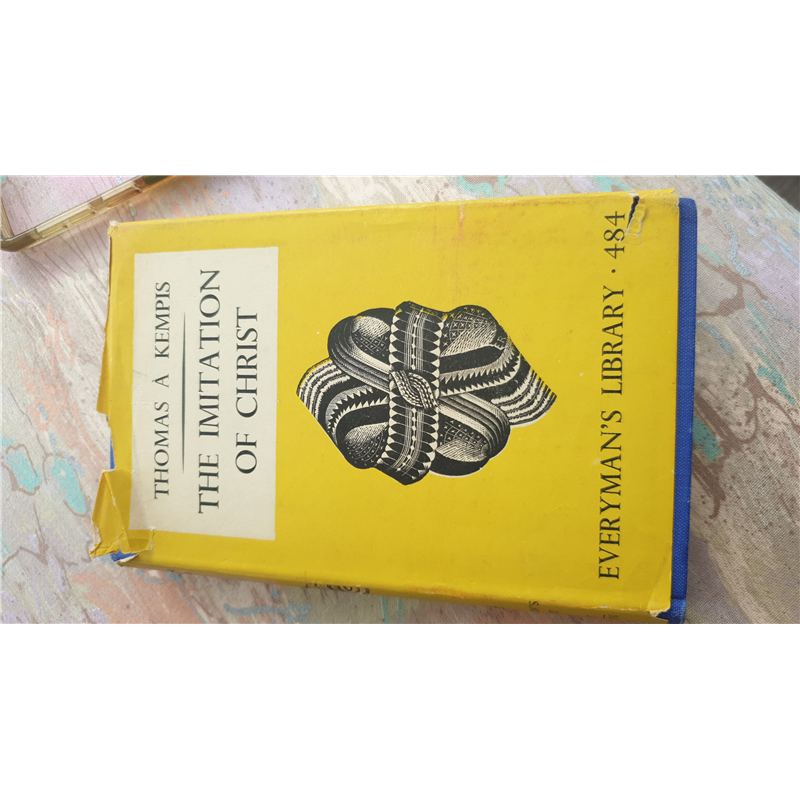 |
What a thoroughly enjoyable lecture today. A vibrant and entertaining speaker who included some beautiful examples of the artist’s work. I was not familiar with him before this although had heard of him. The range of subjects that Patricia presented allowed us to really get a flavour of the man and his work. Exquisite watercolours and pottery with enough information to keep us interested. When she showed examples of the book covers, I once again remembered that I had one!! How wonderful was that. I attach a photo. Nicki |
|
| Friday, 18 June 2021 |
| Member's response to Rosamund Bartlett's lecture on Music in Russia |
 |
Well I really enjoyed that and what a polymath (if not modest)! Her prodigious knowledge of so many genres of music was astonishing - dance, folk, popular, Church, courtly, classical and even Russian oriental, not to mention the Red Army! I loved the illustrations as well as the musical clips and her ability to make a comprehensive narrative from such disparate sources. I guess we were very lucky to have her as I cannot imagine she would have come all this way from Oxford for a 2 hour session? I will certainly renew my membership and look forward to whatever delights the new academic year will hold. I think I'll miss the Zoom-version of the lectures! Marion Mardall |
|
| Tuesday, 25 May 2021 |
| Members' responses to Gavin Plumley's lecture on Fin-de-Siècle Vienna |
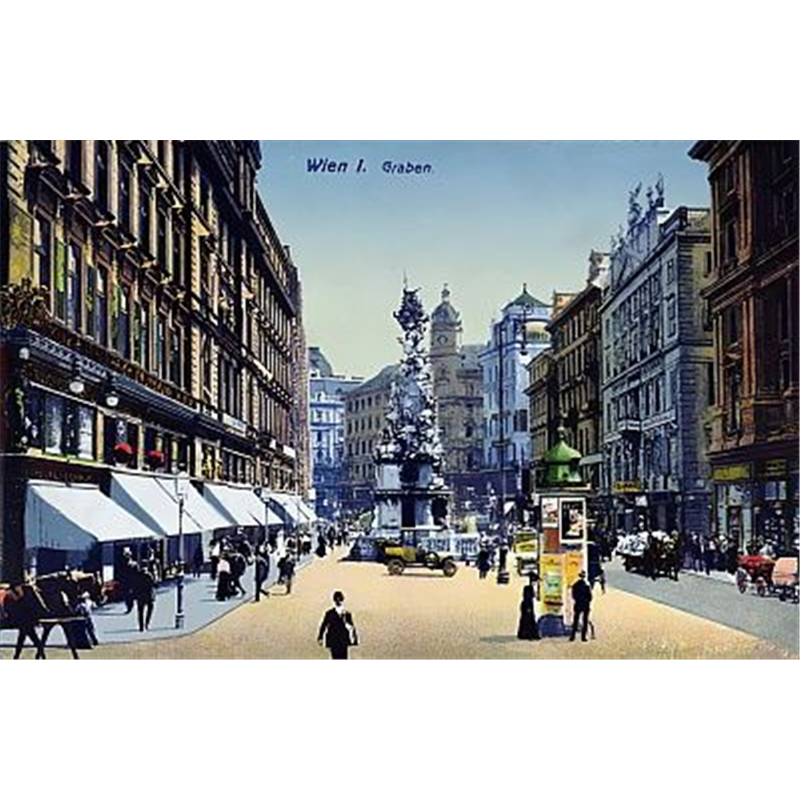 |
‘Having been to Vienna with a scholarly guide, I never gleaned as much context as this lecturer demonstrated. Exactly what they were seceding from and the idea of linking Klimt, Schoenberg, Otto Wagner and Freud, I thought was brilliant. Having loved the Art nouveau gallery with it's gold leaf dome & the Art it contains, I never understood that Olbricht was deliberately upstaging the existing Art Gallery and all it stood for (like the Impressionists rejecting the Paris Academy - and it them!). Our lecturer showed just how small a section of society the secessionists were and what was going on in parallel in Vienna, yet now one is given to understand it was a general movement at the time. I thought his slides (including starting with the map of the Austro Hungarian Empire at the beginning) were perfect. We were not flooded with too many images, yet those he showed illustrated perfectly his narrative’. Marion Mardall May Thoroughly enjoyable and enthralling lecture just now - thank you. Lynne Kerr Thank you Gerald. That was a rich and interesting lecture. Best wishes. Fiona Dear Gerald and committee, What a fantastic lecture we have been lucky enough to watch/listen to. I already knew of Gavin Plumley but have not heard him speak before. His lecture was absolutely wonderful purely because he knew his subject ‘inside and out’ and therefore left nothing to chance. If I had to make a ‘complaint’ it would be that it was too short! Such a vast subject matter must have been extremely difficult to hone-down to an hour but he certainly managed to do it expertly. Many thanks again, Francesca. Dear Gerald, that was a fascinating lecture. Thank you so much for organising it for us all. Yours Maxine Eugster |
|
| Wednesday, 31 March 2021 |
| Members' responses to James Russell's lecture on Edward Seago (revised) |
 |
Thanks very much for a great lecture. Wonderful excuse for sitting down for an hour
and a half feeding the senses. Philippa Thank you so much for admitting a visitor from TASKL. It was a fascinating lecture,
very well researched and with some excellent photographs. I have James's book on
Seago and several of Seago's own books, which as James said, are very well written and enjoyable. The picture of Seago and Peter walking away from the boat moored on the Thurne,
near his house, used to puzzle me as it's about 3/4 mile from his home, but it was
pointed out to me that the boat had too deep a draught to get up Womack Water and
they would row down to it. They obviously took a lot of kit with them so it must have
taken several journeys. You used to be able to walk the length of Seago's garden, which must be 1/4 mile,
getting wilder and wilder, right down to the dyke, but in recent years the bottom bit
has been fenced off. We have our lectures as a webinar, so it was lovely to see all your members greeting
each other! With very best wishes, Pat Thank you so much for organising such an interesting lecture. I learned a lot! And
enjoyed the paintings! Maxine It was very kind of you and the Society to allow me to access today's talk on Edward
Seago, it was very enjoyable and informative. Not an artist I was familiar with, but I
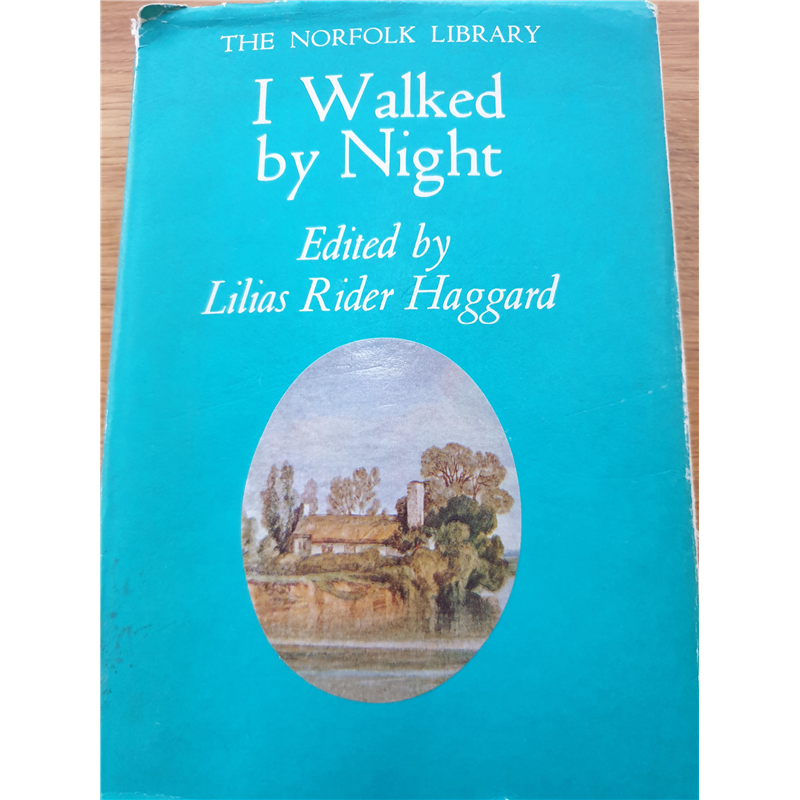
shall look out for him now. Sue Following James Russell's lecture our member, Nicky Smith, sent us book illustrations by Edward Seago (click here to view). |
|
| Sunday, 21 March 2021 |
| Members' responses to Irving Finkel's Special Interest Day on Cuneiform Writing and The First Ghosts |
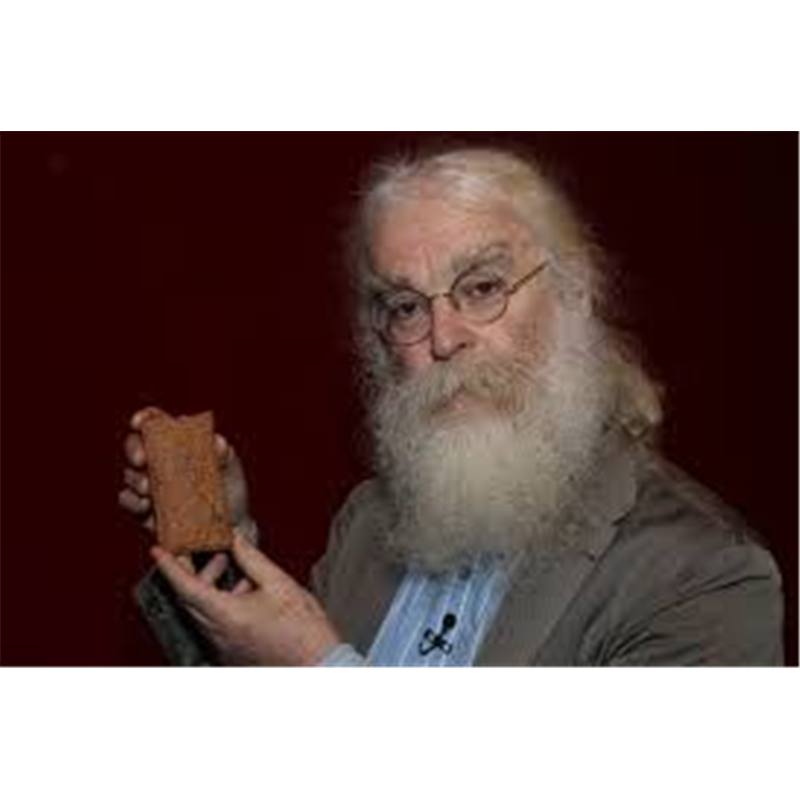 |
A fascinating SD delivered with mastery by Professor Finkel. It was so enjoyable and helped to fill-in a huge gap in my knowledge.
It would be wonderful if we could all go and look at them in the BM in the not too distant future ....... and maybe meet him there too? Francesca I found his morning lecture fascinating and relative to the email and ‘text’ shorthand we use today. The afternoon lecture was less interesting and I felt did not live up to the exciting title/description. Gillie I thought I would let you have some feedback on yesterday’s SID day. Professor Finkel was extremely interesting and I found both the morning and afternoon sessions very good indeed. He is a delightful man and despite his immense knowledge he wears his academic attainments lightly. He has the happy knack of making the lectures stimulating, funny (in a slightly naughty way) and very informative. Lesley |
|
| Thursday, 18 February 2021 |
| Members' responses to Tessa Boase's lecture on Housekeepers Tales |
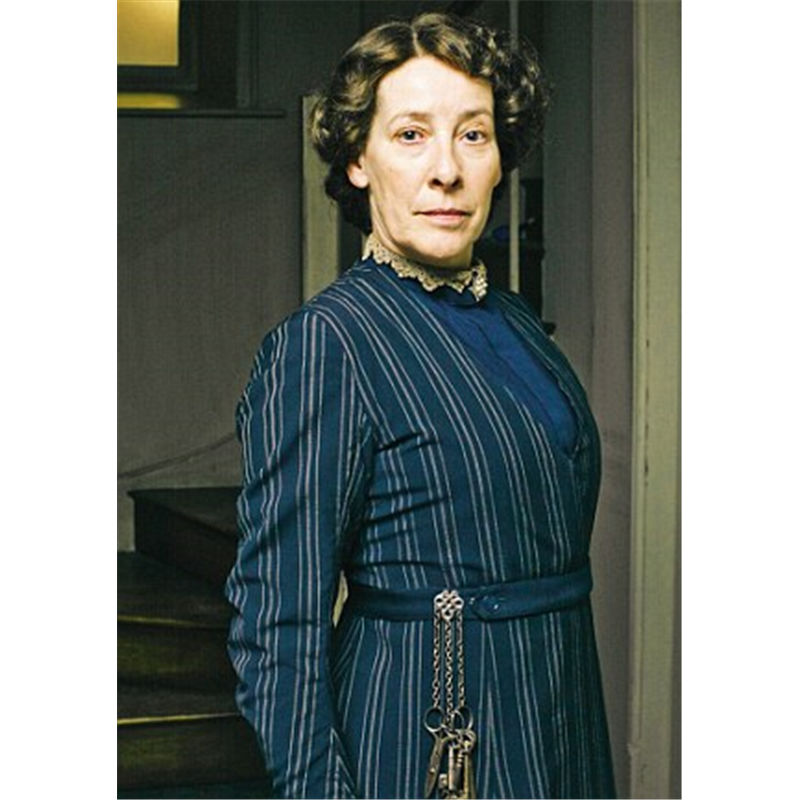 |
Thank you to all the members who have given us their reaction to The Housekeeper’s Tales’ lecture. Feedback is very valuable. Here are a selection ‘I was looking forward to the lecture on the history of the housekeeper of the English country houses. I enjoyed Tessa’s delivery but was very surprised that her research had not led her to some of the " great" houses, such as Chatsworth and Blenheim . i would have thought there would have been a plethora of information about this role . Although the story of Sarah Wells was interesting I would have enjoyed information about a few other houses and their staff rather than focus on one individual. I enjoyed the introduction to the lecture as it set the scene for the below stairs hierarchy.’ Nicki Smith ‘I really enjoyed the lecture yesterday. It was a thoughtful and sensitive approach to a much overlooked subject. I might even get her book to learn about other ladies she’s written about’. ‘Some interesting facts. Nice voice, nice manner. Very ponderous. It was 2.29 pm before she got into her subject. It wasn’t a coherent lecture. She got too tied up In the stories of the ‘Ladies of the House’ and at times the distinction between proprietors and housekeepers was confused ( not least because a dairy maid became Lady of the House !!). There was more on gossip than tasks. I would have liked a day in the life of ........... ‘I was brought up in a household where there was a housekeeper, butler, cook and maids. I had a very powerful mother and no one was under any illusions who ran the household. It was my mother’. |
|
| Saturday, 16 January 2021 |
| Ruth Hulton reviews Mark's Antarctica lecture - you can sense her passion. |
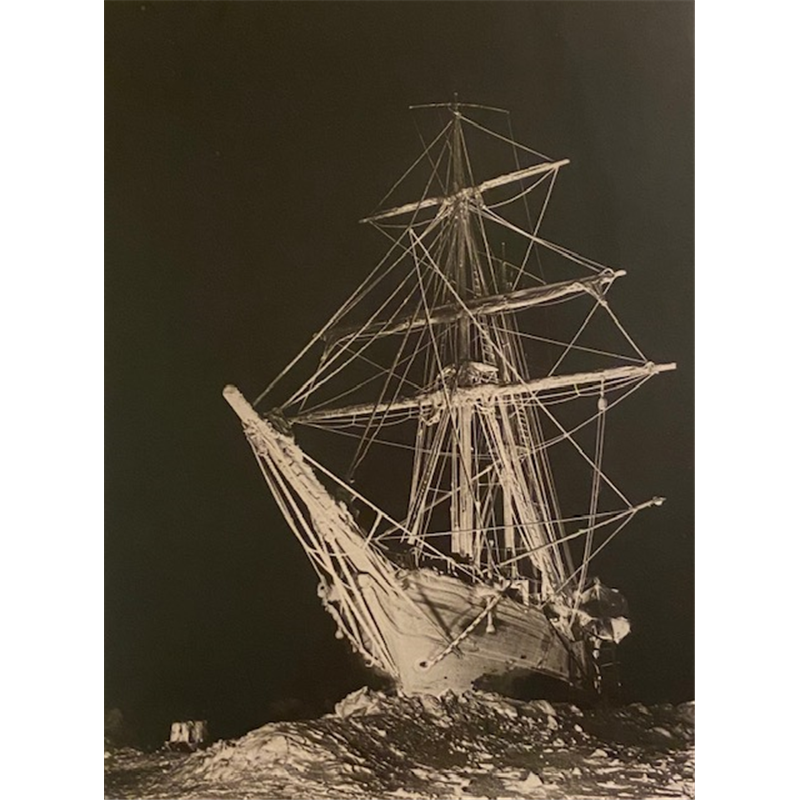 |
I have been asked to review Mark Cottle’s 11 January Zoom lecture. Photographic Odyssey: Shackleton’s Endurance Exhibition Captured on Camera. No easy task because it was one of the most outstanding talks we have had, following which any appraisal on my part feels presumptuous. The story of Shackleton’s Endurance expedition is known to many and as I mentioned with such rash enthusiasm, I visited Antarctica some years back on a trip following his route along the Antarctic peninsula and on to Elephant Island and South Georgia, where we walked the last stretch to the whaling station at Grytviken. Framed round Frank Hurley’s images, Mark’s evocative talk opened with a photograph of Endurance trapped in the ice - stark but beautiful - enhanced by being in black and white. The succession of photos that followed were impressive by any standards but, given the cumbersome equipment, frequent danger and unimaginable cold, they were astounding. Hurley stopped at nothing to achieve his aims, even perching perilously at the top of the Endurance rigging, weighed down by camera kit. Sadly, we were told, the greater part of his heavy photographic negatives - some 400 - had to be destroyed as the crew left the boat but thank goodness for those that remain. These formed the basis of Mark’s narrative as he led us on Shackleton’s journey. We were shown the photographs of life on Endurance both on and off board, pictures of the heartbreaking crushing and final disintegration of the ship, views of life on the pack ice with the dogs, the boat journey to Elephant Island and the adaptation of the three boats, one for the 800 mile journey to South Georgia and the other two raised and upturned to shelter the waiting crew. And then the photograph showing their rescue more than four months later by Shackleton on his return from his heroic trip. My own Antarctic memories came flooding back. The awe inspiring majesty of the scenery, the pristine wilderness, the huge slashes of sapphire through pure white icebergs, the penguins, the humpback whales breaching round our zodiacs, the albatrosses soaring overhead and the wildlife of the island of South Georgia where magnificent king penguins strutted on the beach and elephant and fur seals lay amongst the green stands of tussock grass. There we visited Shackleton’s grave where even the most hardened sailors among us toasted ‘The Boss’ with tears in their eyes. Our landing on Elephant Island was blocked by an ice berg but we were close enough to see Point Wild, the windswept narrow spit of land where 22 men spent more than four months. We wondered how anyone could endure four days. More than 100 years on, communications aside, Antarctica is still almost as remote as it was then. Way down the Antarctic Peninsula, our ‘Little Red Ship’, Explorer was, we were told by our Captain, five sailing days from the nearest boat and out of helicopter range. A couple of years later, it lost its battle with the pack ice and sank. Fortunately, help was then nearer to hand and there were no casualties. Mark says of the many books that have been written on this adventure, Shackleton’s Boat Journey by Frank Worsley is the one he recommends. Enthused by his excellent lecture, I can’t wait to read it. Ruth Hulton 15 January 2021 “To rest unperturbed...to hear the music of the surf, the swirl of ice-blocks, the croak of the penguins; to dream with hope of the future” Frank Hurley, after landing on Elephant Island after 497 days on ice and sea. |
|
| Friday, 15 January 2021 |
| Members responses to Mark Cottle’s lecture on Shackleton |
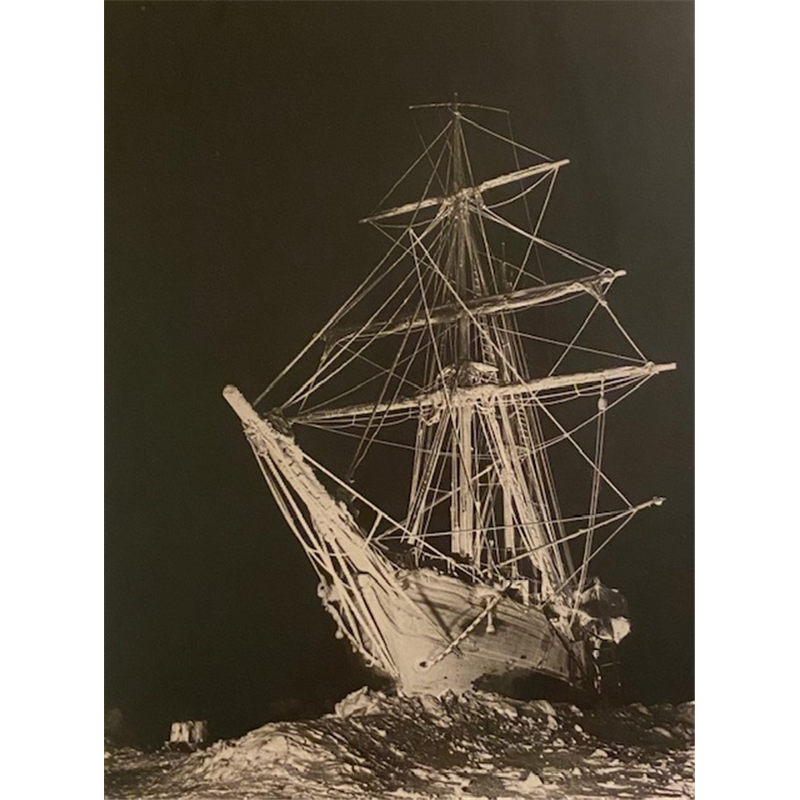 |
Members responses to Mark Cottle’s lecture on Shackleton I thought yesterday’s talk by Mark Cottle was excellent. On first seeing the subject I thought not for me! But he was fascinating and his knowledge clearly extremely secure. I thoroughly enjoyed the whole talk, although regrettably I could not persuade my husband to join in. The photography was beautiful and awesome by turns and the account of the men’s courage and endurance (no pun intended) was enthralling. Lesley Trebbick Please pass on my thanks to the lecturer for yesterday’s talk. Having been watching various Antarctic films in the last few weeks, it was very interesting to have those marvellous photographs brought together. It was amazing to think what they all endured without all the material advantages we have available. A brilliant leader of men. We all need lectures like this to keep our own morale up. Thank you, Janet Offord What a fantastic lecture. I have been fascinated by Shackleton's expeditions for many years. Mark Cottle's lecture was beautifully delivered and so well supported by those fantastic Black and White photographs. I have to confess it brought a tear to my eye seeing the last photograph and his grave overlooking the whaling station. That was one of my dream trips which sadly I never made. Thank you to you and your team for their efforts in putting on these lectures. Best wishes and keep safe Jill Parfitt That was the best lecture I’ve ever seen, thank you I really enjoyed it, what a wonderful speaker and such fantastic photos. Best wishes Caroline Bartram Thank you for laying on such an excellent lecture. One of the best! Maxine Eugster What a great lecture. I have been there and heard a wonderful speaker on the Ship and Mark certainly brought it all back brilliantly. We went on the Explorer ( The Little Red Ship ), which Ruth mentioned which went down the following year, luckily all were rescued. I think it was about 97. Thank you for all your hard work. Tricia Hockley Today’s talk by Mark Cottle was excellent in so many ways. “Awesome” would also be an appropriate description! Thank you so much. Michael & Alice Crampin What a fabulous talk today. My husband also sat in today and we both thoroughly enjoyed. A fascinating account of human endeavour. Nicki Smith An amazing story so magnificently told. Thank you for allowing me to attend. Tony Escritt Janey and I would like to report that we felt that today’s lecture was one of the best we have ever attended. The structure was excellently laid out, the narration was first class and the choice of illustrations made the whole story very vivid. What a man. Stuart Rangeley-Wilson & Janey Burland |
|
| Friday, 18 December 2020 |
| The Journey of the Magi |
 |
I have been asked to 'review' Leslie Primo's excellent lecture on the iconography of the story of the Magi. This is not easy, although it was a delight, because the nature of the lecture was a 'review' in itself!! It was scholarly and so enlightening. Leslie's lecture unfolded dispelling many myths that we have all held as true from the images handed down to us through Art; and explaining many others! All illustrated with some sumptuous slides. The most astonishing image for me, came near the beginning of the lecture, and was of a carving on a Roman Sarcophagus of what looked exactly like a Madonna & child, receiving 3 visitors bearing gifts...except that it dated from the 4th century BC!! The men were not kings but were following a star. A second similar image carved onto a tomb sealing stone showed a star, 3 magi and a mother & child, dating from 3rd century AD. In both these images the Magi are wearing hats (not crowns) which date from the Cult of Mithras. During Questions & Answers at the end, Leslie further amplified the claim by the Vatican where the sarcophagus resides, that it is the depiction of the fulfilment of a messianic prophesy from Numbers 24.17 Leslie went on to show us slides if images in Art dating from 2nd century BC, through 6th century AD to the 12 century AD when crowns first appeared in the illustration of the Christian story of the three Kings as we have come to visualise as the Magi. Having dealt with the iconography of magi being Kings, Leslie went on to consider the received wisdom that one was black, but this didn't arise until 1494 with Hieronymus Bosch, followed by Durer depicting one in Muslim headgear in 1511 (which he would have seen in Constantinople which by then was Istanbul). This relates to a text in psalm 72: 'May the kings of Tarshish and of distant shores bring tribute to him. May the kings of Sheba and Seba present him gifts'. These places no longer exist but Sheba was thought to have been Ethiopia. One common element in paintings throughout many centuries was the tradition that one of the Magi was depicted as young without a beard, another older with a beard and the third, older still with a full, white beard. The lecturer went on to trace the development of these themes throughout the Renaissance, as the robes became increasingly ostentatious. Artists included depictions of themselves in crowd scenes (staring out at the viewer) and Sponsors depicted in increasingly self-aggrandizing roles in the paintings, ascribing attributes such as wisdom to themselves and even piety by association with holy figures. Increased use of Classical ruins as the backdrop symbolise the destruction of the old order, while other symbolism was included for example a peacock symbolising the resurrection. The gifts brought by the kings symbolise for the Infant Christ Kingship (Gold), Divinity (Frankincense), and the foretelling of death (Myrrh) . Personally, singing the carols 'We three Kings' or 'Three Kings had Journeyed from lands afar' will never be quite the same as I shall be able to untangle the significance of the various elements we have always taken for granted, whilst also having in my mind's eye wonderful images of the evolution of the associated myths. It was a thoroughly engaging afternoon and delightfully presented. Marion Mardall 18 December 2020 |
|
| Thursday, 12 November 2020 |
| Thoughts on our November 2020 Lecture. - Art of colour in English garden design. |
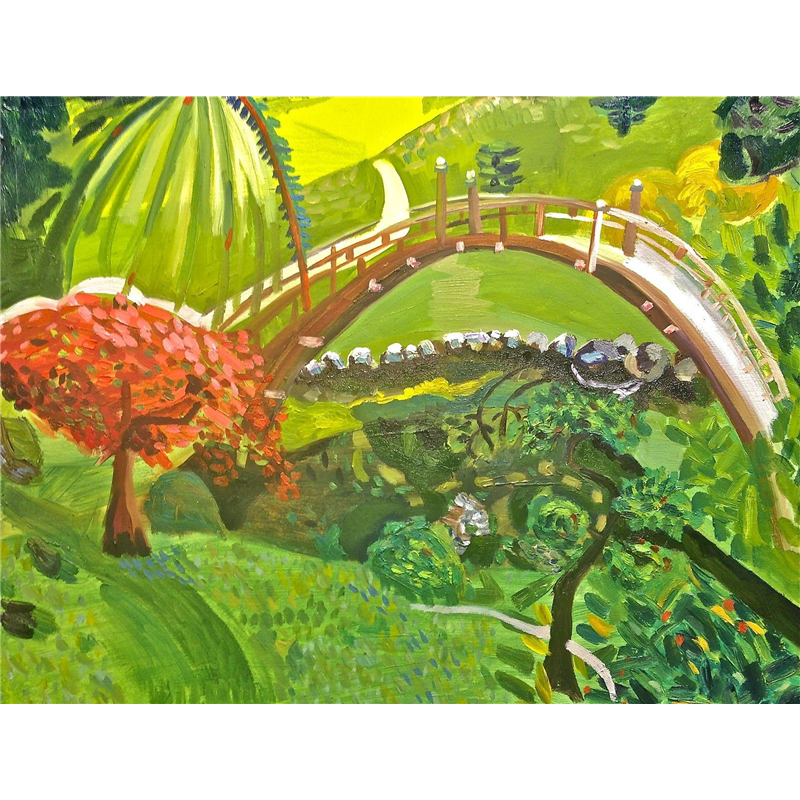 |
Thoughts on our November 2020 Lecture. - Art of colour in English garden design. Gertrude Jekyll once said "The love of gardening is a seed once sown that never dies." How very true. One's garden is an intensely personal demonstration of, not only one's abilities to create a beautiful backdrop, but one's conception of art and colour in three dimensions. Things to consider when designing a garden are the colours chosen for the borders, which should be complimentary to the building, sympathetic to the daily path of the sun and be a living palette of enhancing shades. All of the above were mentioned in great detail by Timothy Walker. He stressed how paintings by well known artists influence how we see and interpret colour. How we make our own personal choices when choosing plants and shrubs. Colour is beguiling, and has been since the first cave paintings appeared over 34,000 years ago! Although the colours used then were very limited and tended to be quite monochrome, which is a choice some of us might make when choosing a design for our herbaceous beds. Perhaps, others of us might prefer a riot of sunset colours. It's all down to personal choice, but the intent is always to create a comforting space. A place to relax, enjoy and share with friends. A backdrop to one's way of living and an interpretation of one's personality. Mr Walker expanded, at great length, on the colour spectrum, and how we should be aware of the transition of blues, greens, oranges, etc. However, what colours we choose for plants in our gardens is intensely personal and makes a living statement about us. We can look and admire a painting by Turner, Monet, Rothko, and maybe Hockney, or any of the renowned landscape artists, and appreciate their colour combinations and pictorial content, but finally, we make decisions based on personal choice, even if that has been subliminally suggested by our interpretation of their artistic achievements. It was a fascinating lecture and gave much food for thought for all us keen gardeners. Gillie Scott-MacEwan |
|
| Friday, 16 October 2020 |
| Zoom lectures go from strength to strength |
 |
Monday's zoom lecture by Shirley Smith was a resounding success with 73 members joining the meeting compared with 52 last month. We invited members to review the lecture via our website and below you will find just 3 of the reviews. Next months lecture promises to be equally as good so please join us and encourage your friends in the Society to do the same, it's really quite easy to log into zoom and help is always on hand. "A well delivered lecture which was full of excellent illustrations. The use of close ups of certain features being mentioned was really helpful". "Please give us more of Shirley Smith! She speaks so well and it’s a pleasure to listen to her. Someone so knowledgeable must have other lectures up her sleeve". "A fascinating lecture. Shirley Smith's delivery was very good and the way she enlarged parts of the pictures to illustrate her points was excellent. I wish I could have a hard copy of her lecture as there was so much very interesting points and hidden messages - a great deal to take in all at once. Thank you for a most stimulating lecture". |
|
| Saturday, 05 September 2020 |
| Well-being is just not about medicine. |
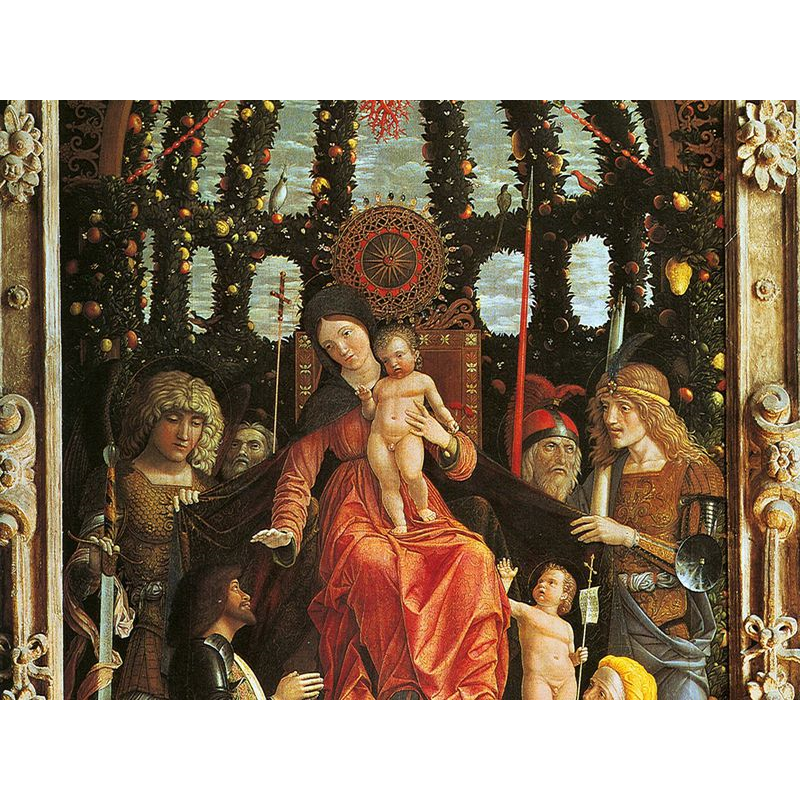 |
Well-being is just not about medicine. Arts and culture are proven ways to beat depression and isolation. We know that they enrich our lives. September’s special article, Art in the Age of COVID, is written by our member, the author Ann Boyer. Her thoughtful article will be a useful and rewarding read for those who view ‘the prospect of the light summer evenings giving way to dark winter ones is daunting in the extreme’. Lelsey Nadel Click here to read Ann's article |
|
| Thursday, 09 July 2020 |
| Hidden Treasure on your doorstep |
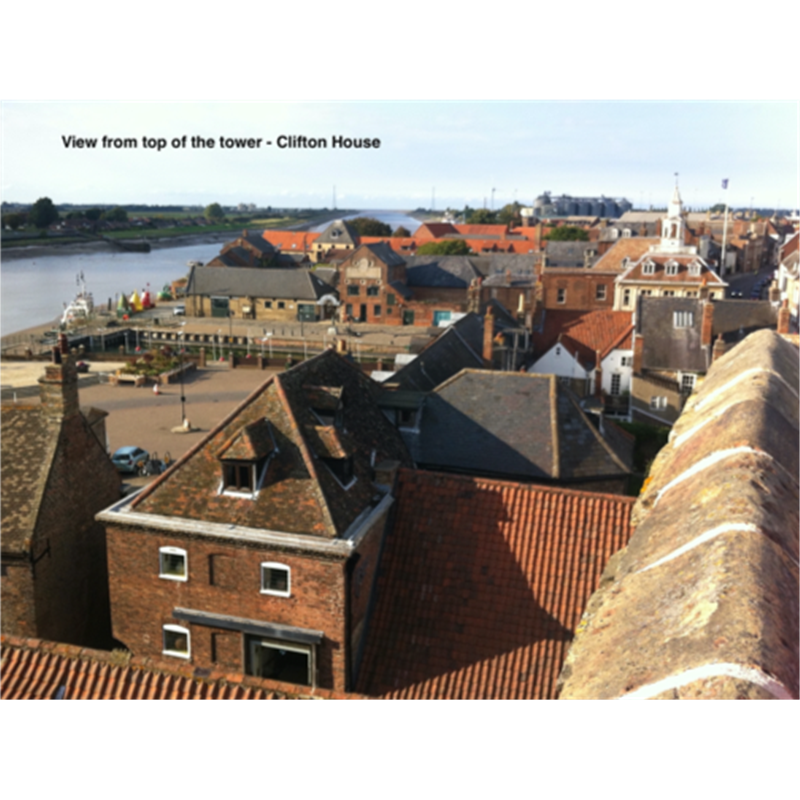 |
The Arts have been hit hard by the COVID-19 pandemic but even in this time of uncertainty, we must believe the crisis won’t last forever. Virtual tours and experiences have taken us all over the world. We’ve seen inside places we may never have visited, seen plays at the theatre and listened to wonderful opera, all from the comfort of our sofa. Lockdown is easing and visitor attractions and museums are now beginning to open. Pre-booking and some form of social distancing will probably be just two of the new ‘normal’, or the new temporary’ as some prefer. We will become cautiously more confident to travel away from our homes but probably not too far. So now may be the time to plan visits to more of the hidden treasures on our doorstep. Clifton House, Kings Lynn would be a recommended place to start. ‘800 years of history in one incredible building’. The house nestles into the Georgian surroundings of King Street and is believed to be the finest medieval merchant’s house in England. It’s magnificent vaulted undercroft is thought to be the first brick building in the whole of Norfolk. Very atmospheric – you can imagine the wealthy first resident surveying his vast imported wine stock. It boasts a magnificent 5 storey tower, built in 1570 as a symbol of status and wealth. Unique to others in England by virtue of its original relationship with the surrounding buildings, which stand from the Middle Ages and it’s painted interiors, chimneys and character. Happily since 2005 the property has been in the best possible ownership, Dr Simon Thurley, former Chief Executive of English Heritage and director of the Museum of London and his wife Dr Anna Keay, notably an historian and biography writer as well as a director of the Landmark Trust. The restoration and conservation work they have carried on at the house is wonderful to see, along with cleverly establishing a family home they share with their 2 children without compromising on the important historical details. Information on opening times, entrance fees etc. can be viewed on www.cliftonhouse.org.uk. There is also a very interesting lecture from Gresham College by Dr. Simon Thurley on London Merchants’ Residences that can be accessed on YouTube. Go to YouTube and search: Merchants House Simon Thurley. The Gresham College lecture website has a treasure trove of lectures on The Arts. The useful link is https://www.gresham.ac.uk/watch/ |
|
| Wednesday, 20 May 2020 |
| Can a garden be a work of art? |
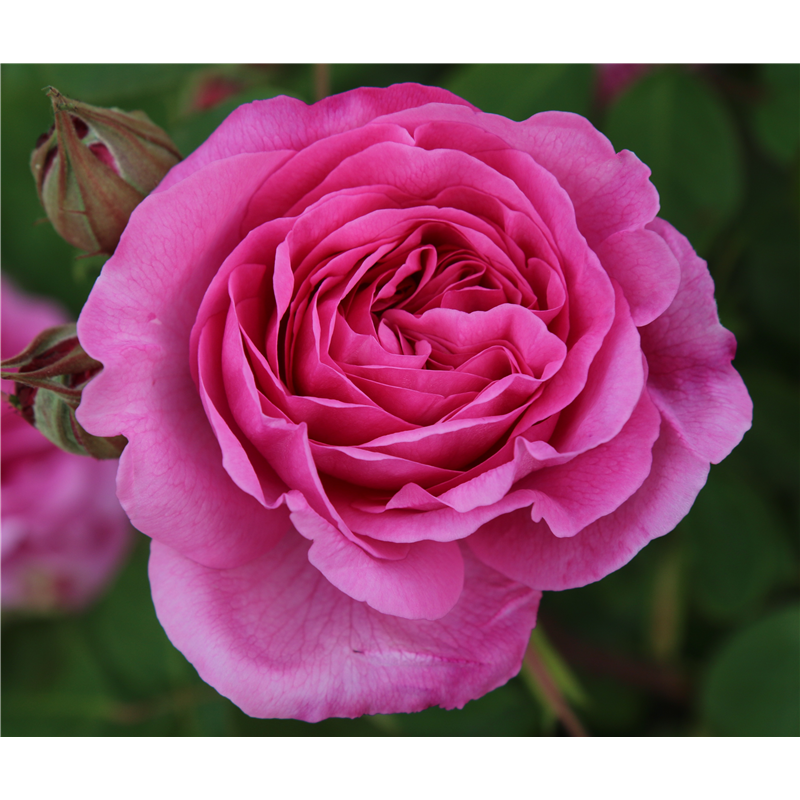 |
Can a garden be a work of art? ‘Fine art is that in which the hand, the head and the heart of man go together’. John Rustin To read this article. click here Please send photos of your garden which we will publish for all our members to enjoy. |
|
| Saturday, 16 May 2020 |
| Art Bites by Mary Alexander |
 |
Mary Alexander, acredited Arts Society lecturer, is well known to many of our members having given talks to the Society on a number of occasions in the past. Since 'lockdown' she has been writing a weekly article for her Society which is now being shared by societies throughout the district. Unfortunately it has only recently come to my attention, so we are eight weeks in arrears but all eight topics are now avaialable to our members. Click here to be redirected our 'Documents' section. Mary says "The idea is to introduce members to names they may not know, to mix periods, styles and media, and to generally ask questions, encourage a wider viewpoint, and provide some pleasure. Look out for future articles as they are added each week. |
|
| Friday, 10 April 2020 |
| Become a Digital 'Culture Vulture' |
 |
ART IN THE AGE OF CORONAVIRUS - BECOME A DIGITAL ‘CULTURE VULTURE’
You don’t need to spend the coming months starved of art, even if most of the world’s galleries and museums have closed. From the comfort of our easy chairs we can now view many of the world’s greatest collections on line by taking free virtual tours. Almost as good as exploring in the flesh without the hassle of a plane trip or the inevitable queue.
A good place to start is by downloading the Google Arts and Culture App. It has partnered with 2,000 global art institutions. You might fancy a trip to the Musee d’Orsay in Paris with your coffee in the morning and with your tea in the afternoon a stroll round the Van Gogh Museum in Amsterdam to gaze at the Paul Gauguin painting of Vincent Van Gogh painting Sunflowers. Or you may prefer Vermeer’s painting of Girl with a Pearl Earring at the Mauritshuis in The Hague.
This ‘lockdown’ has to have some positives attached and if you love art, take advantage of this once In a lifetime opportunity with technology to enter the virtual doors of the worlds’ galleries and museums. State Hermitage Museum on You Tube, the Louvre In Paris, the Getty Museum in los Angeles, MOA, Frick and Guggenheim, the list goes on and on.
A special mention for British Museums, who are also well served. The National Gallery can be accessed Google Street View tour, and the internet tourist may fancy a trip to the websites of the British Museum, The Courtauld Gallery or the V&A. The British Library is slow to the party but some of its ‘more hidden treasures’ may be available on line soon.
Nearer to home, The Art Society Organisation is showing a series of ‘Becoming an Instant Expert On ..... Given by leading Art Society Lecturers. The two tasters are Andy Warhol and the invitation to become an instant expert on 20th Century glass. If you enjoy these and want more you’re invited to sign up to receive the next one directly into your in-box. Join TAS mailing list.
Lesley Nadel
|
|
| Monday, 09 March 2020 |
| Treasures of the World’s First Fan Museum and Its Extraordinary Collection |
 |
My neighbour is a new member. She first came as a guest to our February lecture on Board Games by Professor Finkler. She had attended other art groups but somehow nothing had clicked. I’m not sure whether it was the subject matter or the charismatic Professor Finkler that captured her, or the friendliness of our Society but she has now joined as a member. Like so many of us, her aim is to simply enjoy expanding her knowledge of the arts across a wide range of subjects, in the company of like minded people. So on Monday 9th March she finds herself learning about Fans and afterwards I could hardly stop her enthusing about it. “Excellent lecturer”. “Very Engaging”. “Super “. “Who would have thought fans could be so interesting”. Jacob Moss, our lecturer and the curator of the Fan Museum, gave us a fascinating narrative, touching upon social history, fashion, decorative art, royalty and much more. When we open a fan we are literally unfurling history. ‘In a word it has a thousand miracle qualities and may justly be entitled one of the noblest inventions of the human mind. (The Grand London Magazine, 1760). When things return to normal I am definitely going to visit the Fan Museum and I might even attend one of their 1-day courses and make my own fan. With any luck Tutankhamen’s fan might still be on display at the Saatchi Gallery and that would certainly be worth seeing. Who would have thought Fans could be such a fascinating subject. Lesley Nadel |
|
| Tuesday, 03 March 2020 |
| BECOME AN INSTANT EXPERT |
 |
TAS head office have launched a new offering for members and newsletter subscribers; a monthly Instant Expert e-newsletter.
Instant Expert will feature a different Arts Society Accredited Lecturer each time, offering their expertise and opening a window on a topic close to their heart. The first featured Antiques Roadshow favourite, Mark Hill on his chosen subject of 20th-century glass.
Subscribers will also receive their Monthly Highlights e-newsletter which features exclusive online content such as offers, upcoming events, courses and study days, book reviews, arts features and interviews as well as articles highlighting the work and impact of member Societies. Click here to join the mailing list if you did not receive this first issue. |
|
| Monday, 10 February 2020 |
| Professor Irving Finkel
BOARD GAMES FROM ANTIQUITY |
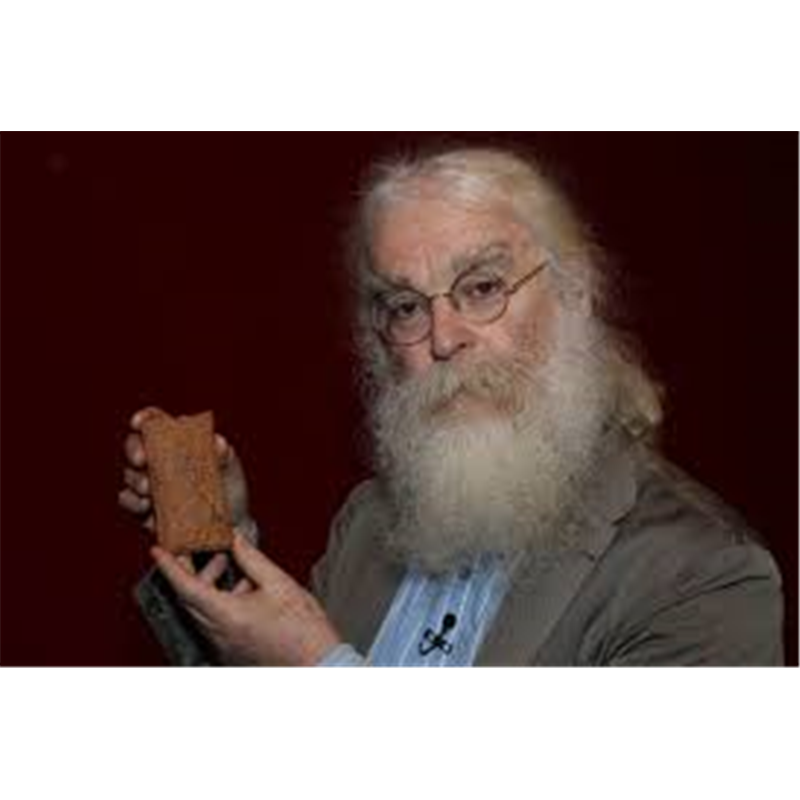 |
Listening to Professor Irving Finkel we experienced a real modern day detective, telling his story of cracking ancient codes and decoding stories from past ancient civilisations. He told us the story of his relentless research to find out how board games came into the world as far back as 10,000 BC. Games from faraway places, Imperial China, Ancient India. The origins of the link between Egyptian games and religious significance. A thoroughly engaging and amusing speaker, who connected brilliantly with us, his audience, as the comments below illustrated: ‘Greatly interesting and enjoyable. Kept one engaged the whole time. A highly entertaining lecture and what a delight Dr. Finkel was to listen to. Superb - excellent lecture - informative and funny. The speaker exuded infectious enthusiasm. Would certainly enjoy hearing any further talks which he would like to give.’ He is quoted as saying that his work as Senior Curator at the British Museum is ‘blissful, privileged and fulfilling’. His photograph on page 10 of your Art Society Magazine Spring 2020 seems to bear this out. Lesley Nadel |
|
| Wednesday, 22 January 2020 |
| Members' New Year Luncheon 2020 |
 |
As a new member, today was my first Art Society members’ lunch and it was hugely enjoyable. It seems to be a ‘not to be missed’ date in many members calendar and I could quite see why. Members meeting up with old and new friends, lots of chatter and laughter Stories were swopped, opinions freely given and all over delicious food and wine. Titchwell Manor seemed to fit the occasion very well. Wonderful views across the marshes. If you’ve never been before, let me heartily recommend it to you. And certainly think about coming next year if you’re on your own. You will be made to feel most welcome, as indeed I was. A definite date for the diary. Lesley Nadel |
|
| Wednesday, 16 October 2019 |
| The Silk Road: Art, History & Exploration. |
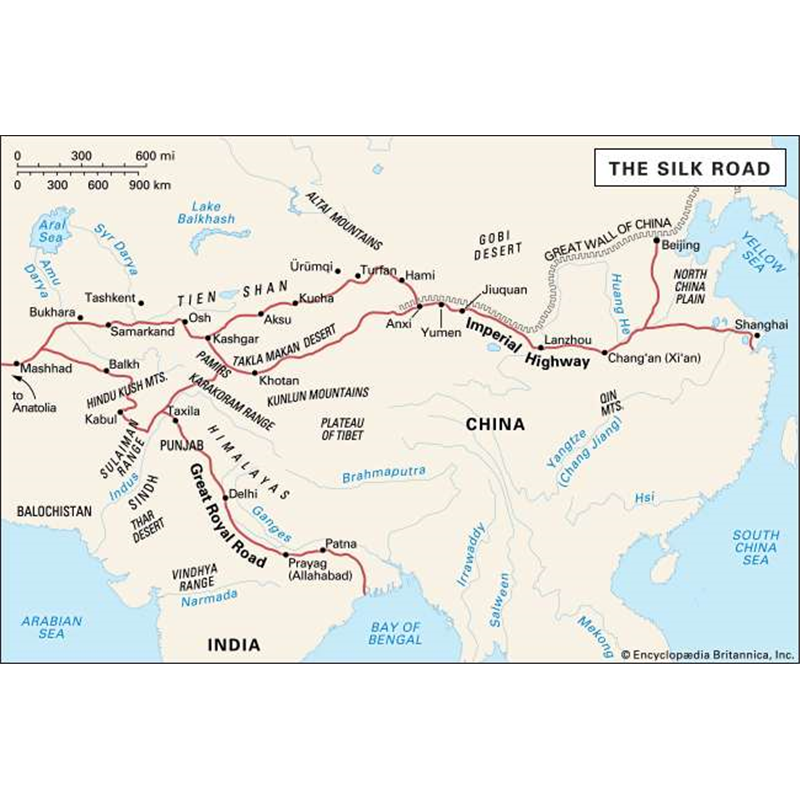 |
Art Society Special Interest Day MAGICAL MONDAY On a damp, grey Monday morning 60 people turned up at Binham Village Hall to be transported on a journey of discovery to another world. The magical world of the mighty Silk Road. A modern late 20th century label used to describe trade and interaction over land and sea, from 200BCE to 1400CE. From precious and semi precious stones, spices, metals, musk, medicines, furs and so on. From China to India, to Persia, Arabia. Greece and Rome, even East Anglia. It spanned the vast Afro-Eurasia area. Slaves were treated as a commodity, for sex, as musicians and servants. Horses were bred on a major scale not only for the Chinese elite but also to transport merchandise. The scope of the goods traded and the distances covered were extraordinary. It changed history. New religions and technological innovations, along with ideas, language and religions , movements of peoples, stories, music, dance and so on, were all exchanged. It could have been difficult to absorb the scope of this vast enterprise in such a short time but we were so fortunate to have Dr Susan Whitfield, writer, scholar lecturer and traveller of the Silk Roads, as our esteemed guide. With clarity, enthusiasm and clever use of photographs and stories she gave a wonderful snapshot of this extraordinary time in history. It was no surprise that all the copies of the recently published book she has edited, 'Silk Roads, Peoples, Cultures, Landscapes' (Thames & Hudson) were a sell out on the day. The Arts Society is about enriching lives through the arts - and this Special Interest Day certainly fulfilled the brief. And 20thApril 2020 is our next Soecial Interest Day. We shall be hosting Andy McConnell of Antiques Roadshow fame. The world expert on Glass will talk about ' Bottoms Up! the Story of Wine. It's Rituals and Glasses'. A date for members' diaries and hopefully a temptation to join us and become a member. There's also the usual excellent lunch! Lesley Nadel Hot News* Dr. Susan Whitfield is currently curating an exhibition exploring the Anglo Saxon Silk Road connections, 'From Nara to Norwich', due to open July 2020. She hinted that she may be able to arrange something 'special' for our members. |
|
| Tuesday, 15 October 2019 |
| Purcell School extends appreciation to TAS North West Norfolk |
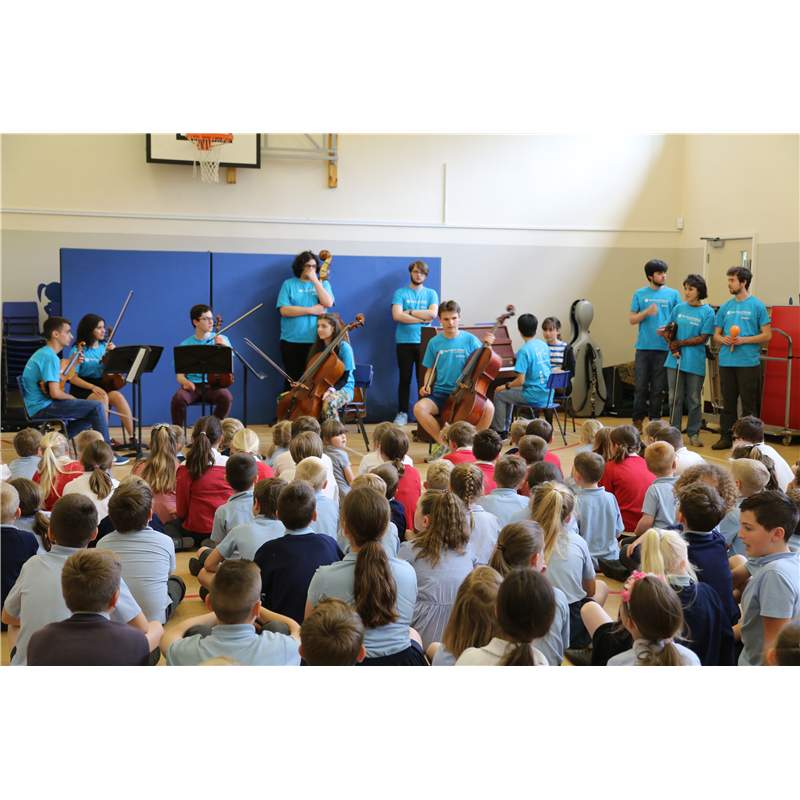 |
Allison Cox leader of The Purcell School Outreach team has provided us with a comprehensive pictorial review of their visit to Norfolk which can be viewed in full by clicking here. Congratulations to our Young Arts team Sally & Liz who work tirelessly to make this happen. "The Arts Society of North West Norfolk have been able to ensure that the programme of pupil-led music workshops and projects in the regions’s primary schools was able to take place once again in 2019. We are aware that the Arts Society also supports other highly deserving school projects as well, and we were so grateful to them for giving our work so much kind consideration." Allison Cox |
|
| Saturday, 10 August 2019 |
| Sedgeford Primary School to visit Norwich Castle |
 |
Sedgeford Primary School are visiting Norwich Castle on Friday 6 September to take part in the “Take One” scheme run by the National Gallery – for more information click here TASNWN are very pleased to be sponsoring this visit with contribution of £165.00 to cover the cost of the coach. |
|
| Monday, 17 June 2019 |
| Purcell School return to Norfolk June 2019 |
 |
For details of the concerts visit the Young Arts page. |
|
| Wednesday, 28 November 2018 |
| Special Interest Day - Playlist |
 |
A copy of Sandy's playlist can be found in Documents or by clicking here |
|
| Wednesday, 31 October 2018 |
| The Princes Trust Lecture |
 |
THE PRINCE’S TRUST Illustrated Lecture Highlights of Persian art and architecture - a bluffer’s guide to Persian Culture by Prof. Charles Melville*, Professor of Persian History at Cambridge University on 31stOctober 2018 at 6.30pm for 7.15pm at King’s Lynn Town Hall Drinks and Persian style canapés included. Ticket price: £25 each. For further info/application, please contact Henry Head henry@henryhead.com/ 01485570645 Fundraising to help to give a better future to disadvantaged young people in Norfolk. |
|
| Wednesday, 31 October 2018 |
| The Princes Trust Lecture |
 |
THE PRINCE’S TRUST Illustrated Lecture Highlights of Persian art and architecture - a bluffer’s guide to Persian Culture by Prof. Charles Melville, Professor of Persian History at Cambridge University on 31stOctober 2018 at 6.30pm for 7.15pm at King’s Lynn Town Hall Drinks and Persian style canapés included. Ticket price: £25 each. For further info/application, please contact Henry Head henry@henryhead.com/ 01485570645 Fundraising to help to give a better future to disadvantaged young people in Norfolk. |
|
| Saturday, 22 September 2018 |
| The Soper Collection |
 |
We have received a fund raising request from the Trustees of The Soper Collection. Any member interested should visit their website by clicking here. We’re building the world’s first art gallery and education centre to showcase a unique collection of artwork from the talented Soper family. We’re racing towards our goal of raising £600,000 by 20 November 2018 to buy the land and buildings for restoration. But we need your help. Discover more about this extraordinary family, their remarkable talent and their role in bringing Enid Blyton’s stories to life. Help us unveil this collection for all to share. |
|
| Tuesday, 10 July 2018 |
| Wells Maltings - CONNECTION:OPEN 2018
27th June - 30th September |
 |
Promotion CONNECTION: OPEN 2018 is the inaugural exhibition in the Handa Gallery at Wells Maltings celebrating the best in current East Anglian art from an open submission. The exhibition will run from Wednesday 27th June to Sunday 30th September 2018; open from 10am to 6pm daily, entry free. CONNECTION: OPEN 2018 brings together artists with an affinity to East Anglia to showcase the new Handa Gallery within the new landmark £5m Wells Maltings building on Staithe Street in Wells-next-the-Sea. Featuring two-dimensional work in all media, CONNECTION: OPEN 2018 offers a unique opportunity to view and purchase work by artists at every level of their career, from emerging talent to established figures. Taking inspiration from the world-famous Royal Academy of Arts Summer Exhibition, this show demonstrates the wealth of talent to be found in the East of England and features a wide variety of paintings, drawings, prints, mixed-media work and wall-mounted textiles. From over 900 entries, 265 artists were selected via an anonymous entry process. Vote for your favourite artwork in the People’s Choice Award, worth £200 to the artist with the most votes. Simply complete and return a People’s Choice card (available in Wells Maltings), register your details and you could win a weekend’s use of a Wells beach hut!* The first prize of £500 will be awarded to the best artwork in show, followed by a runner’s-up prize of £250 (both prizes are sponsored by an anonymous donor). All prizes will be announced on Wednesday 19th September. The CONNECTION: OPEN 2018 selectors and organisers are Catherine Mason, art historian and author; Veronica Sekules, Groundworks Gallery, King’s Lynn; Tracey Ross, artist and art tutor; and Simon Daykin, director, Wells Maltings. |
|
| Wednesday, 14 June 2017 |
| NWNDFAS Sponsors Purcell School for Young Musicians |
 |
The Society is delighted to be sponsoring the young musicians from the Purcell School to run workshops at Docking and Little Snoring Primary Schools on Friday the 23rd June. See our Young Arts page for further detail. |
|
| Thursday, 04 February 2016 |
| Her Majesty admires a mural painted by pupils of Fakenham Academy. |
 |
Her Majesty paid an informal visit to Tapping House and was shown round by members of staff. Our young arts programme arranged for year 10 pupils to spend a week of work experience, during which they painted this mural of Hunstanton cliffs. |
|